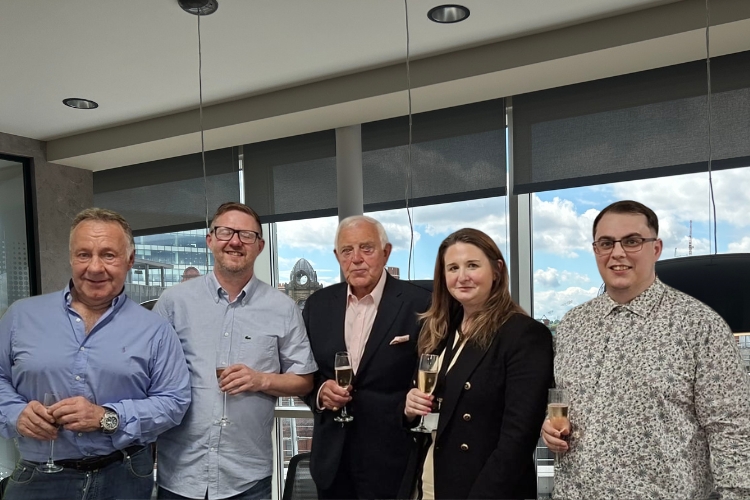

Tribunal success for Blacks' Employment Law team

When Emma Tahir started her job as a trainee project supervisor at National Grid, she had hoped to be treated the same as her male colleagues. With just two women in the team of 12, she was aware it was a male-dominated industry, but her work gave her a sense of purpose and she enjoyed it.
Her manager, however, did not treat her like the male employees, instead subjecting her to a persistent campaign of sexual harassment that left her suffering anxiety attacks, unable to go to work and (eventually) jobless.
In the months following the first incident in August 2020, Colin Higgins, who was in his fifties, had asked her to remove her hoodie during a site visit, bombarded her with inappropriate emails, texts and images, sought to gaslight and manipulate Emma and invaded her personal space.
Emma developed insomnia, and after trying her best to move teams without having to report Colin, she finally reported his behaviour to supervisors. Disappointingly, although it was found she had experienced harassment, an internal investigation concluded that most of her claims were unsubstantiated, with the majority of his inappropriate behaviour excused (a decision that the Employment Tribunal subsequently described as “perverse given the evidence”).
Consequently, Emma appealed and submitted a grievance for victimisation in respect of Mr Higgins and others questioning her motives for bringing the grievance. She was not given any work for several months as she waited for a response. Emma also received a notification that her pay would stop due to a prolonged period of sick leave, which led to her resigning in June 2021.
Emma began her Tribunal claim in April 2021, and shortly afterwards the internal appeal she had made previously found that the majority of her allegations were in fact substantiated. After Emma had resigned, the company (very belatedly) began a disciplinary process against Higgins, however he was not dismissed but, at some point, resigned
The company aggressively defended Emma’s claim all the way up to two weeks before the liability hearing was supposed to take place (in August 2022) when, suddenly and unexpectedly, it withdrew its defence, thereby conceding liability. Notwithstanding this, quite remarkably, the company still persisted in refusing to accept that all the allegations that Emma had made were true and accurate.
At a remedy hearing in May 2023, Emma was awarded £360,000 for sexual harassment, victimisation and constructive wrongful dismissal.
The financial-loss element of the Tribunal award was calculated based on her actual and anticipated loss of earnings as an employee who was likely to progress quickly. The Tribunal upheld all 26 allegations of sexual harassment and eight instances of victimisation.
Euan Lawrence from Blacks Solicitors, Emma’s legal representative, commented:
“As the eventual Judgment acknowledged, this case was unusual. It is comparatively rare for a Tribunal claim to progress all the way to proceed all the way to a final hearing (and not settle beforehand); rarer still for an employer to contest claims for harassment that its own internal process found to be substantiated; and, in my experience, almost unheard of for an employer, having defended a discrimination claim to the hilt all the way through to suddenly abandon its defence (and, thereby, concede liability) with under a fortnight to go before the hearing.
It is notable that the Tribunal awarded a 15% uplift to the award of compensation for unreasonable failure to follow the ACAS Code of Conduct (which sets out best practice for handling grievance procedures) and were critical of National Grid’s failure to listen to how Emma wanted to deal with the issue. Had it agreed to her request to simply move her away from the harasser’s sphere of influence, it is likely that she (and it) would have been spared the nearly 30 months of dispute and litigation that followed and (in view of the very positive performance feedback she received throughout her employment) she would now be operating at a senior level within its organisation.
The award of aggravated damages (which are only made in rare situations where an employer is adjudged to have acted in a “high-handed, malicious, insulting or oppressive manner”, thereby aggravating the harm done to the employee) should also stand as a warning to employers about not making a bad situation worse by failing to deal with grievances fairly. The Tribunal specifically identified National Grid’s failure to properly consider the power dynamic between Emma and her harasser (who was much more senior than her and in a mentoring role), the perverse conclusions of the initial stage of its internal process, its failure to dismiss the harasser and its failure to apologise for the way they handled her case as all being features justifying this award.”